- The Hockey Resource Newsletter
- Posts
- Constructive conflict acts like a real-life practice drill for kids.
Constructive conflict acts like a real-life practice drill for kids.
The Kind of Conflict That Makes Hockey Kids Stronger

The Hockey Tournament Resource
January 22, 2026
In partnership with

The Hockey Resource — Today’s Feature - This is an opinion written by a Hockey expert for The Hockey Resource, not a licensed practitioner

The Kind of Conflict That Makes Hockey Kids Stronger

Most Hockey parents worry that disagreements at home — about ice time, coaching decisions, travel costs, or schedules — might negatively affect their children. But research suggests something important: it’s not whether parents disagree that matters most. It’s how those disagreements are handled.
Children who witness calm, respectful, solution-focused conflict between parents often develop stronger emotional skills than children who never see conflict at all.
In Hockey families, stress is unavoidable. Early mornings, long drives, tough losses, lineup decisions, and financial pressure are all part of the journey. Kids are watching how parents navigate that stress — and they’re learning from it.
Studies show that when children observe constructive conflict — conversations that include listening, mutual respect, and resolution — they tend to:
Regulate emotions more effectively
Show greater empathy and cooperation
Experience lower levels of anxiety and aggression
Develop healthier coping strategies under pressure
In contrast, destructive conflict — yelling, blaming, silent treatment, or unresolved tension — increases stress for kids and can spill over into behavior at school, at home, and at the rink.
Constructive conflict acts like a real-life practice drill for kids. It teaches them:
How to disagree without losing control
How to communicate under stress
How to solve problems instead of avoiding them
For young athletes, these skills directly translate to better responses to adversity — whether that’s a bad shift, reduced ice time, or a tough conversation with a coach.
Interestingly, researchers found that children exposed to healthy conflict often fared just as well emotionally as kids from homes with very little conflict at all. The difference is that they were better prepared to handle tension when it inevitably arose.
The takeaway for Hockey parents isn’t to avoid disagreements — that’s unrealistic in competitive sports. The goal is to model how to handle them well.
Stay calm. Listen. Resolve the issue in front of your child when appropriate. Show that frustration doesn’t have to lead to damage — it can lead to understanding.
You don’t have to be perfect. You just have to be present, respectful, and willing to work through challenges.
Because long after Hockey ends, the way children learn to handle pressure, conflict, and relationships will matter far more than any stat line.
The Hockey Resource
Because development happens everywhere—even in the seats.


One Habit You’ll Keep
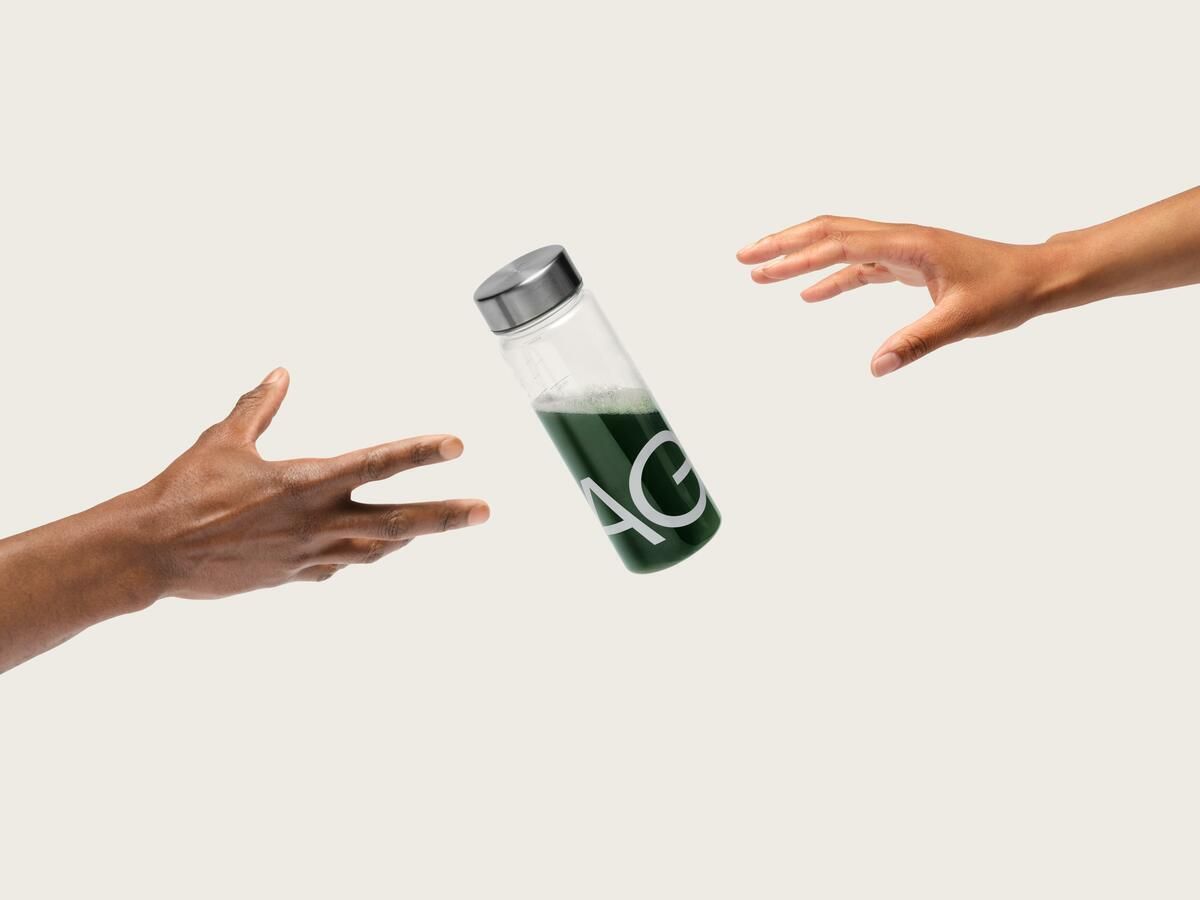
By this time of the year, most New Year goals are already slipping. That’s why the habits that last are the simple ones.
AG1 Next Gen is a clinically studied daily health drink that supports gut health, helps fill common nutrient gaps, and supports steady energy.
With just one scoop mixed into cold water, AG1 replaces a multivitamin, probiotics, and more, making it one of the easiest upgrades you can make this year.
Start your mornings with AG1 and get 3 FREE AG1 Travel Packs, 3 FREE AGZ Travel Packs, and FREE Vitamin D3+K2 in your Welcome Kit with your first subscription.